
IRON RIVER
Under the slogans “From iron to titanium” and “One estuary, two worlds,” the Nervión-Ibaizabal Estuary area has been one of the largest industrial concentrations in Europe, helping to shape the current identity of Bizkaia and the Basque Country.
Specifically, the industrial heritage on the banks of the estuary, together with that located in the mining area, is a silent witness to what was once a landscape of intense industrial and mining activity.
Later, the adaptation of the estuary for navigation was the most enormous undertaking in Bizkaia during the last quarter of the 19th century, and this led to the naval sector, led by companies such as Euskalduna and La Naval, turning the estuary into the backbone of Bizkaia with the trade of products and raw materials.
Lamiako
The floodplain
Did you know that Lamiako’s floodplain was once a marshland area that revealed its sandbanks at low tide?
Located in the Nervión estuary, this area of Leioa was also known as the Ondiz reed beds.
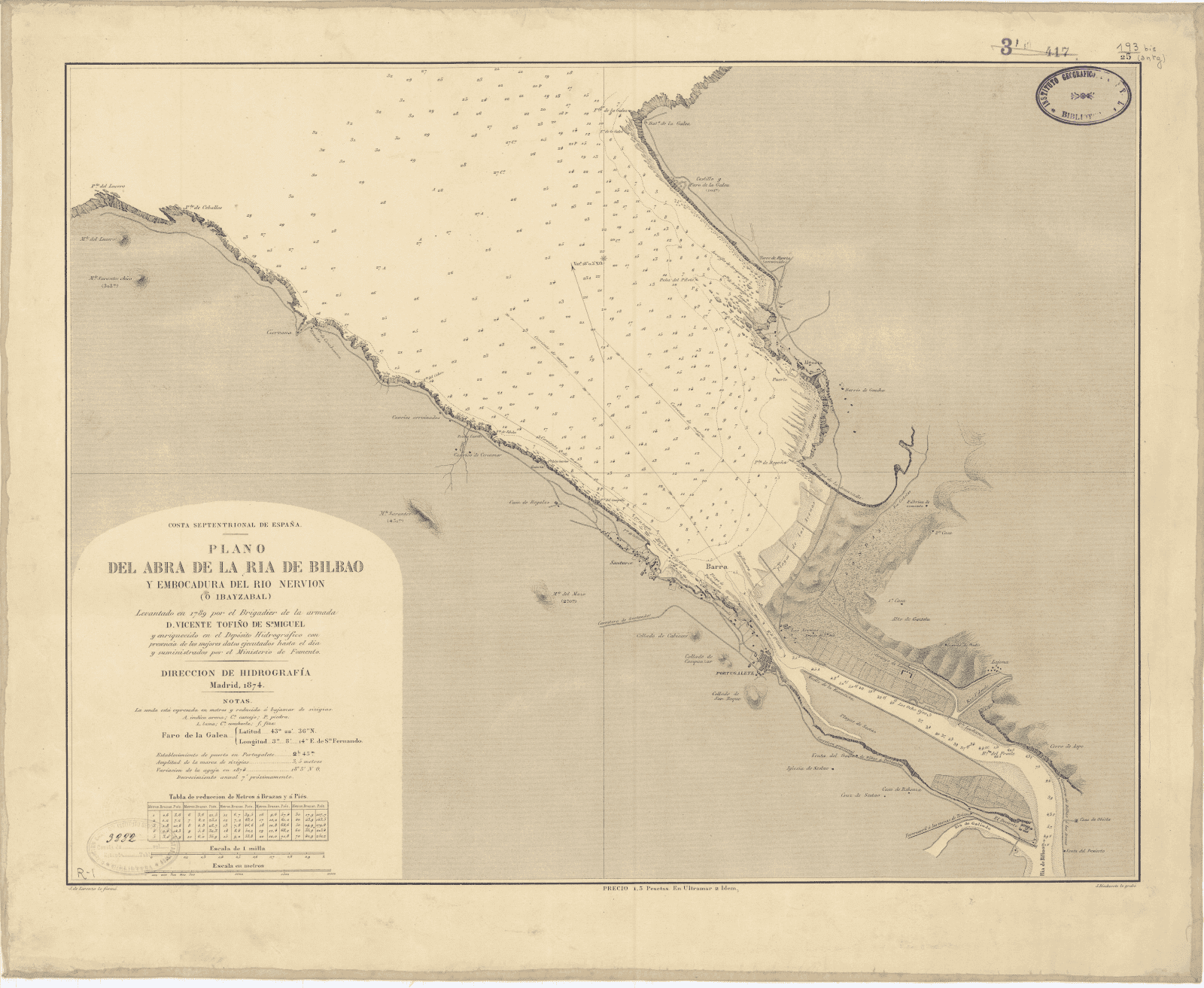
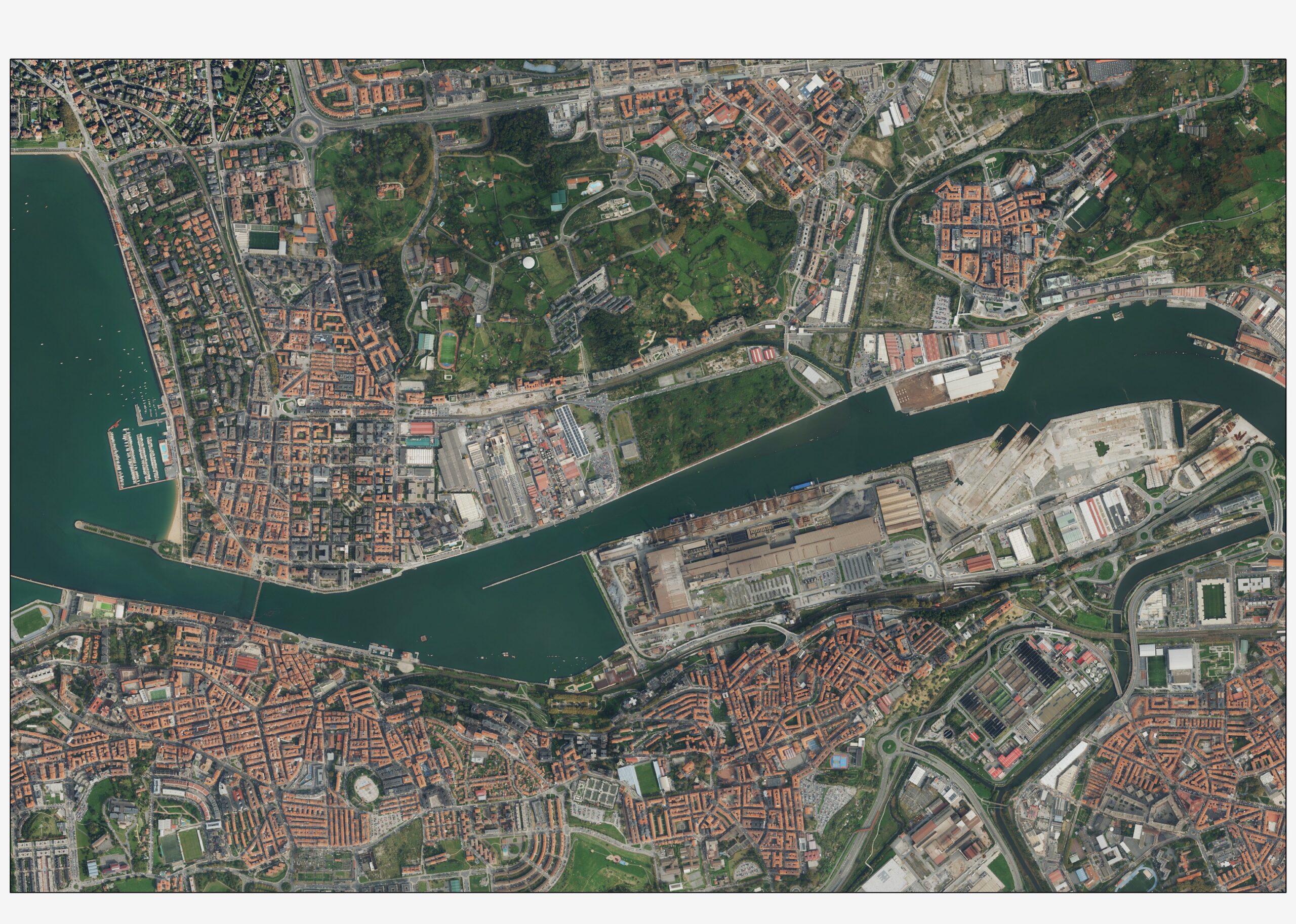
The area has evolved as a result of extensive work carried out on its banks and riverbed to improve the navigability of the sound, including the construction of quays and dykes, dredging and the modification of stream channels…
Nowadays, Lamiako’s floodplain is still undergoing changes, and part of it has already been converted into a recreational area where people can interact with an ecosystem in the process of recovery.
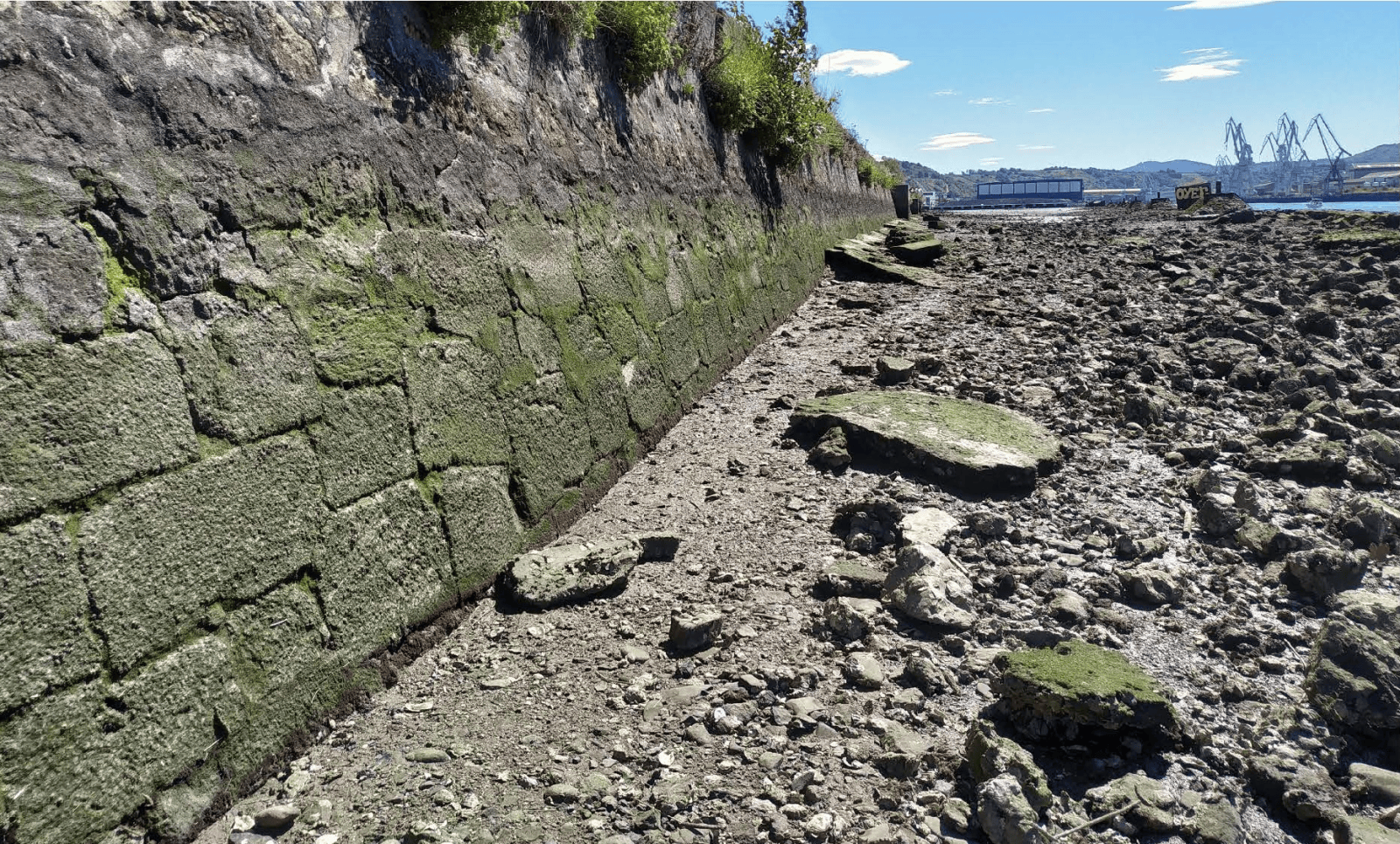
This boulevard is a continuation of the work carried out in previous centuries.
It is situated on the original quay, alongside the pillars of the “Puente de los Ocho Ojos” (Eight-Eyed Bridge), where the water from the sound flowed into the marshland.
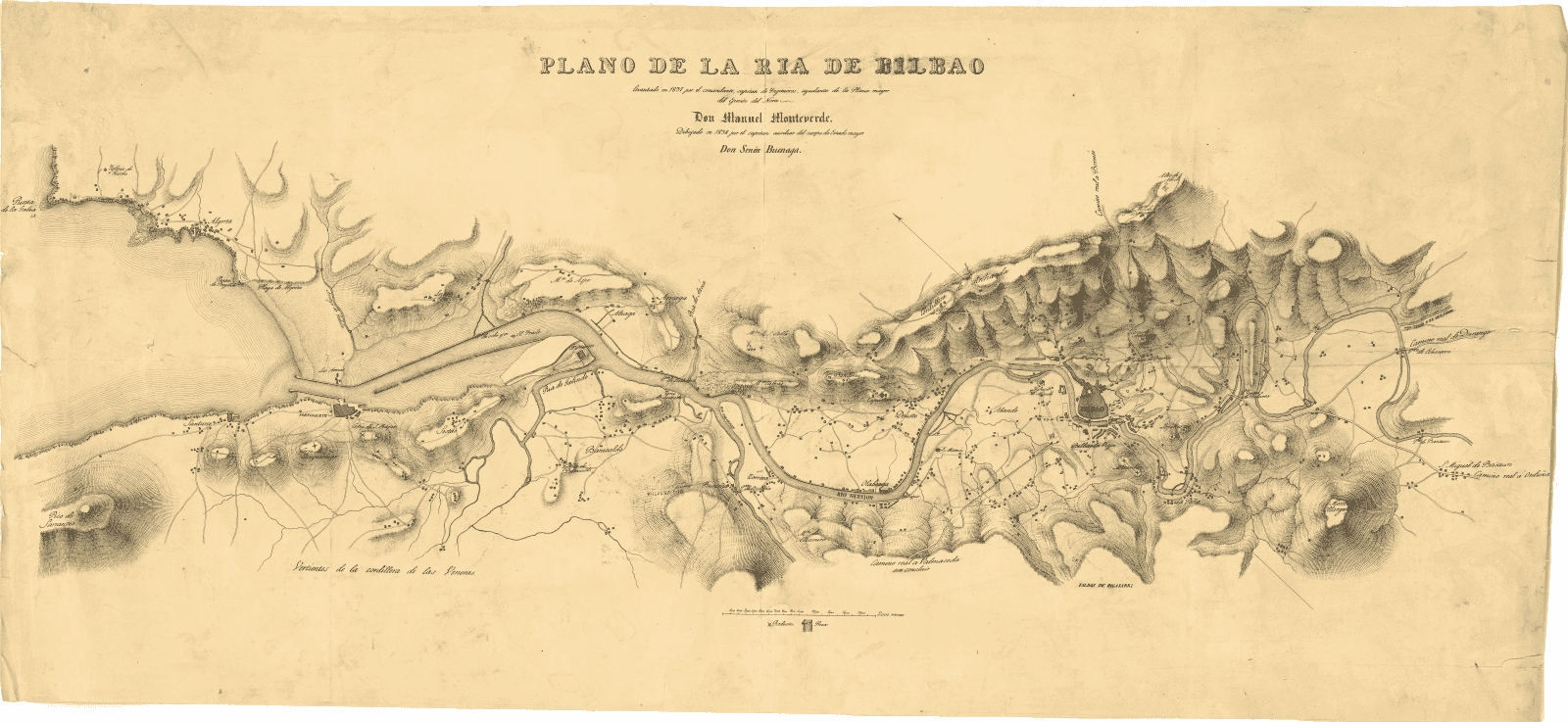
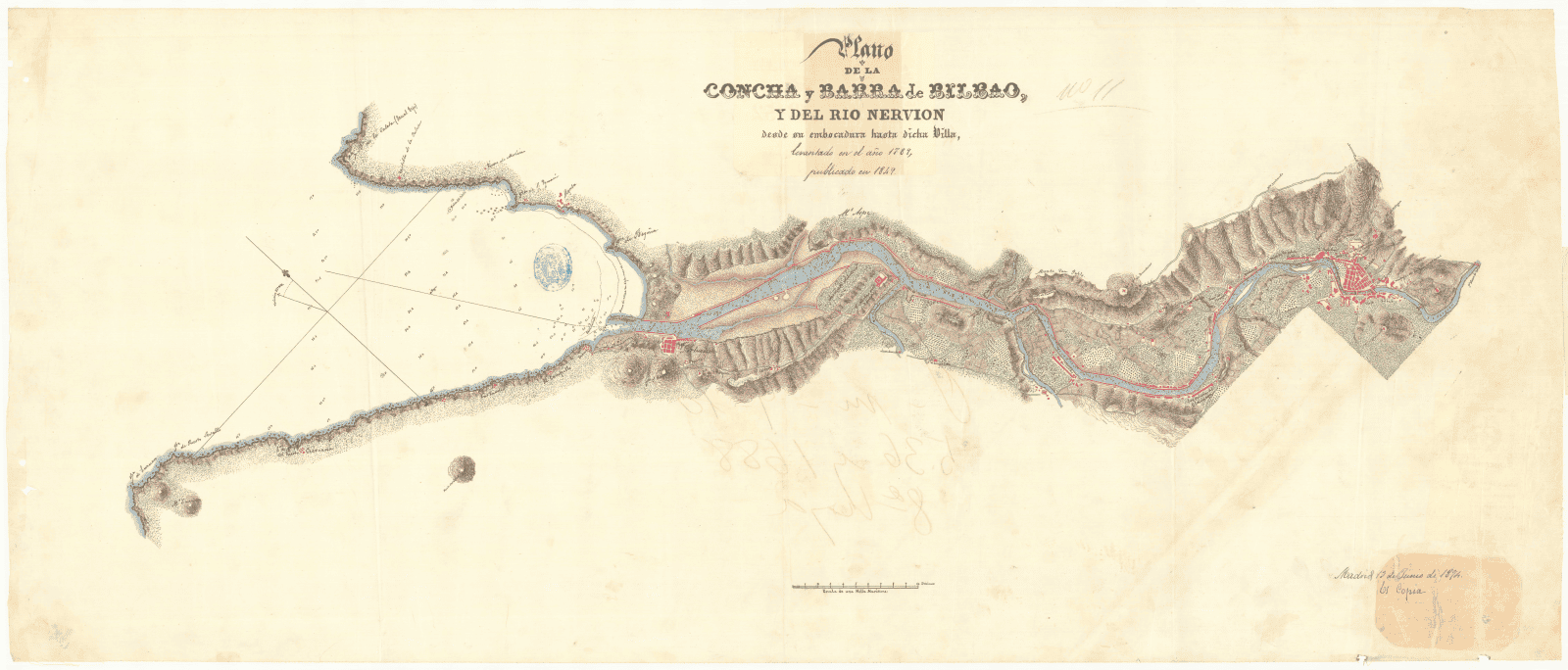
The maps illustrate the changes in the courses of the Bilbao Sound, as well as those of the Udondo and Gobela rivers, over time.
Watch out for the bird!
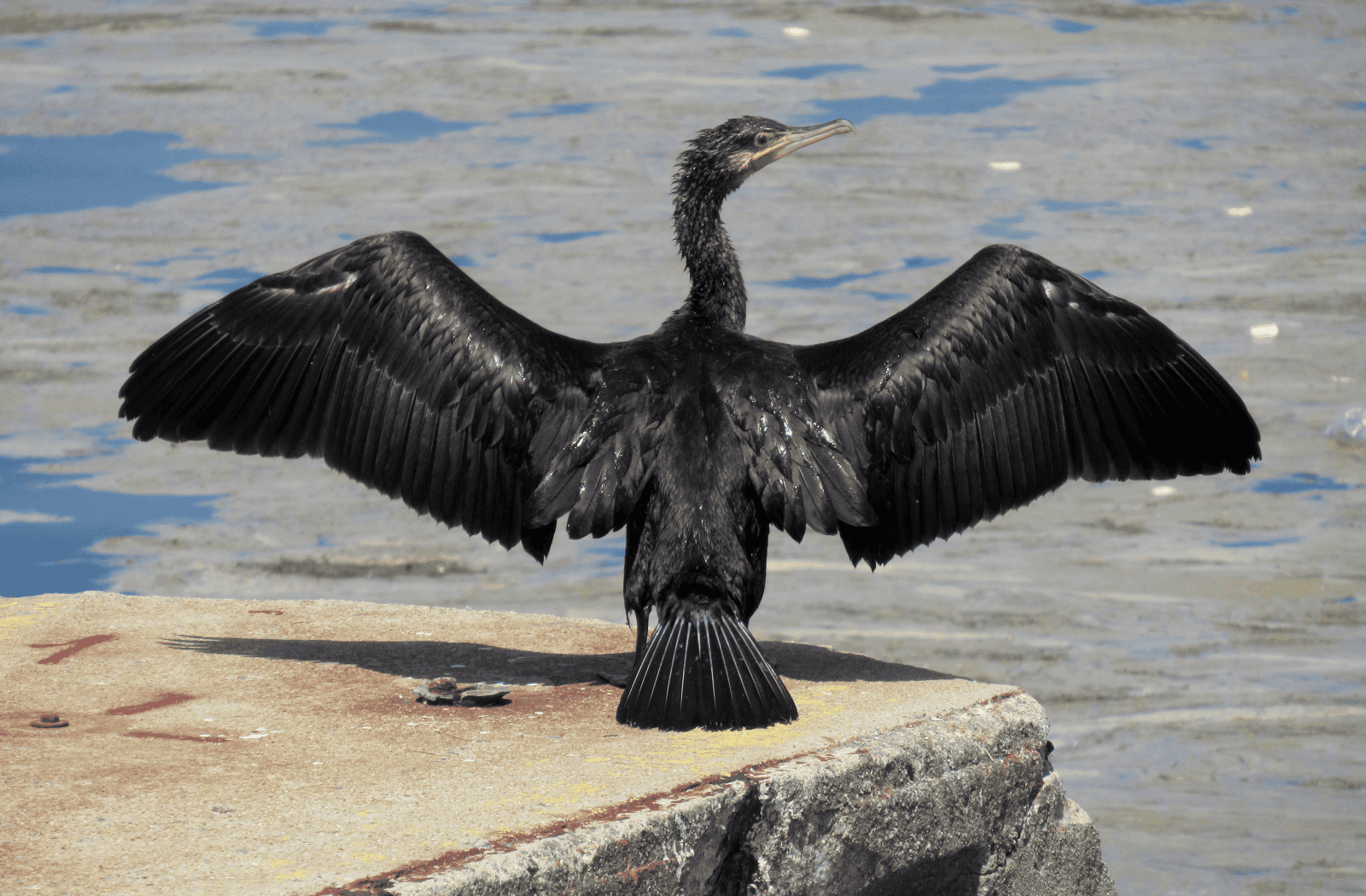
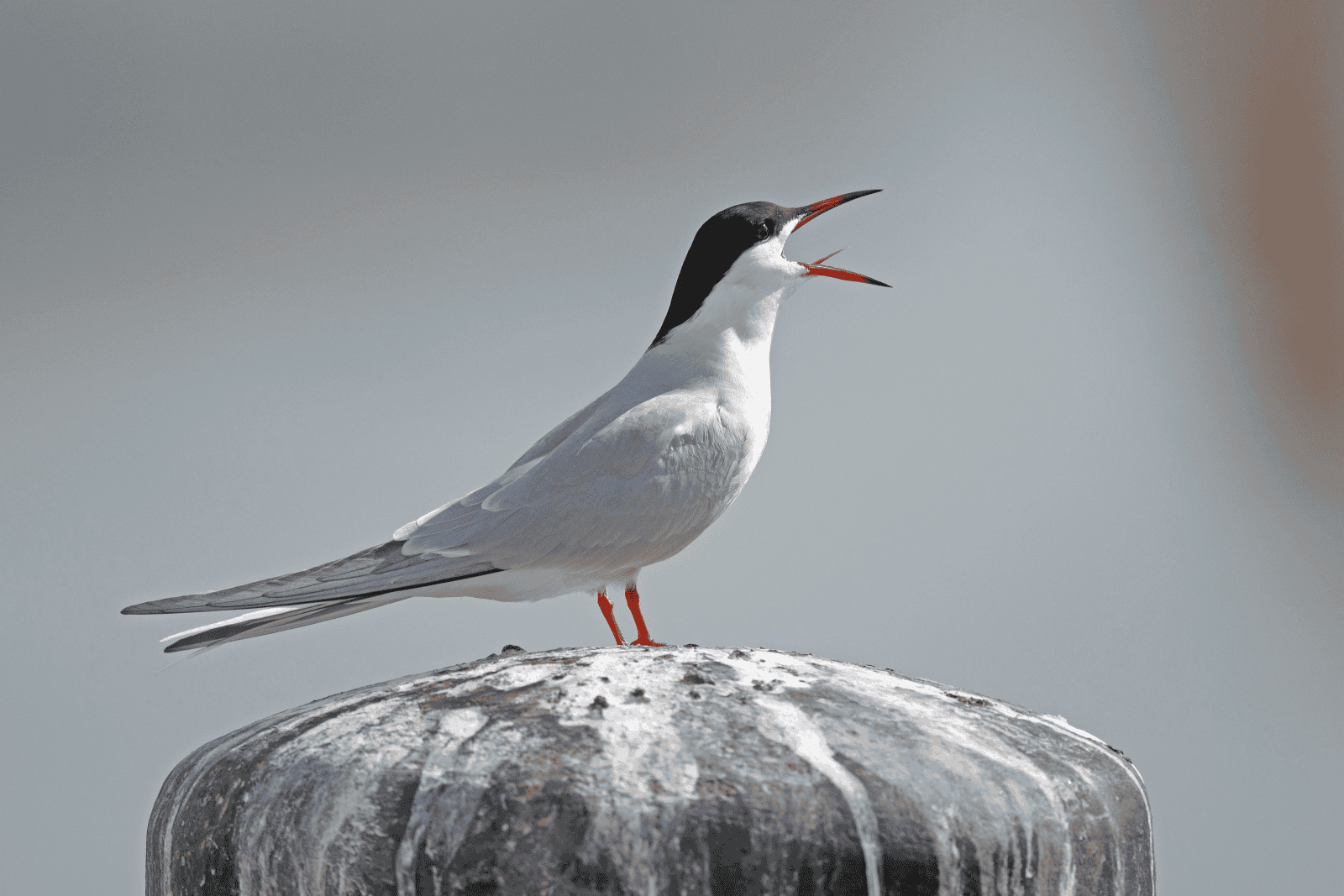
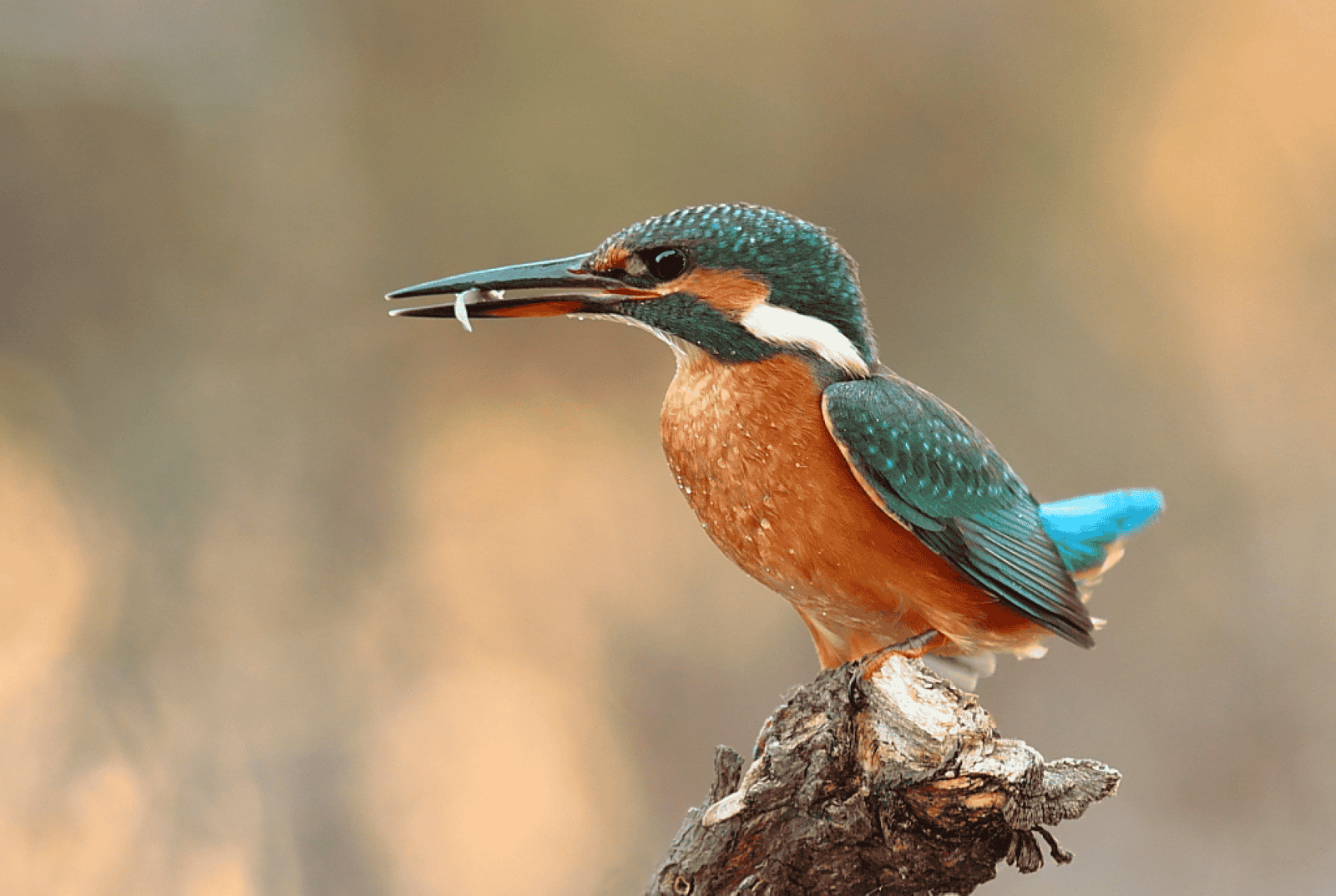
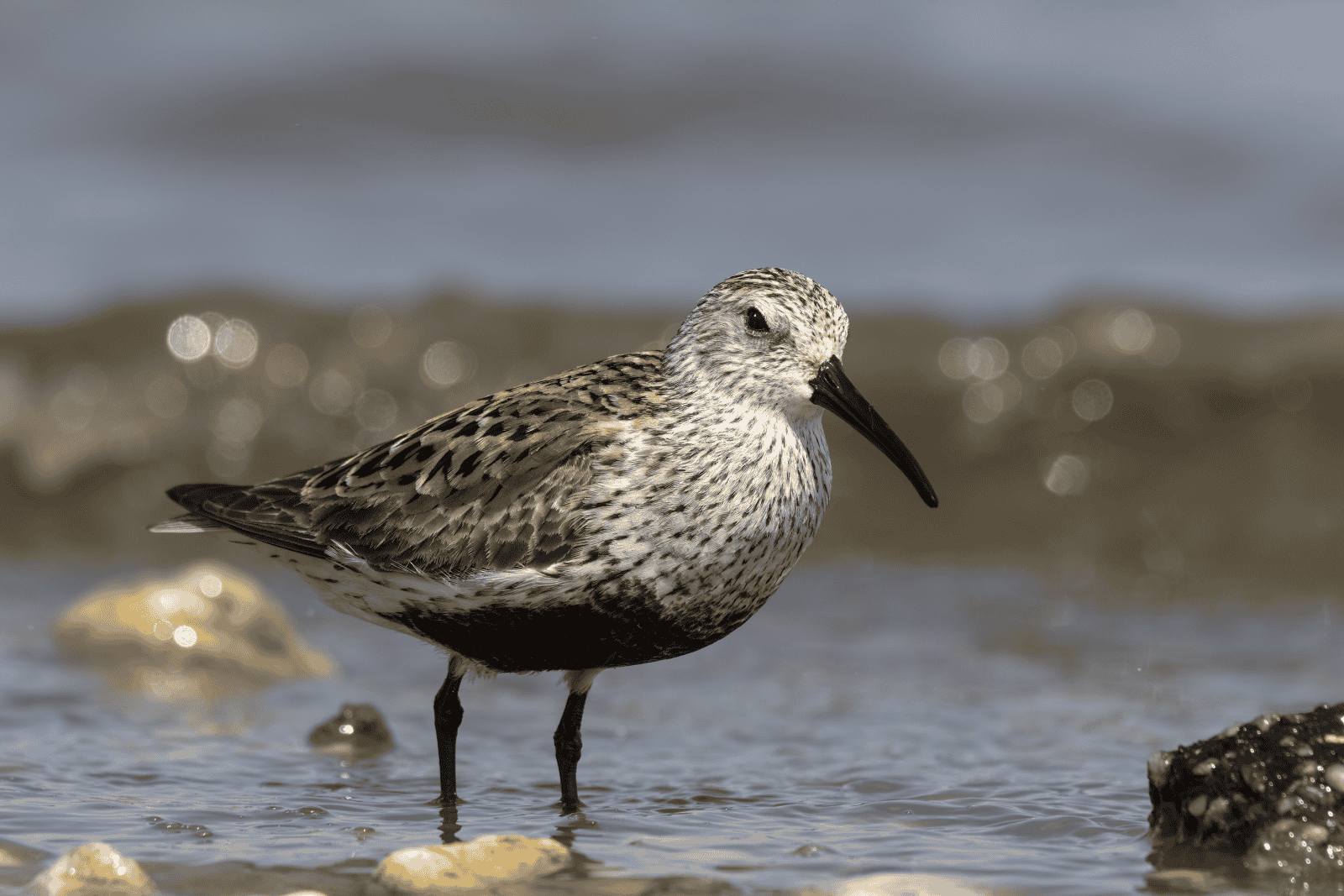
Lamiako’s floodplain, which is included in the Basque Country’s Wetlands Inventory, is highly valuable for wading birds that feed on silt and mud, such as dunlins, ruddy turnstones, and pied avocets.
This area is also home to migratory birds resting during their migration periods, such as terns and bar-tailed godwits.
Lamiako
Athletic club
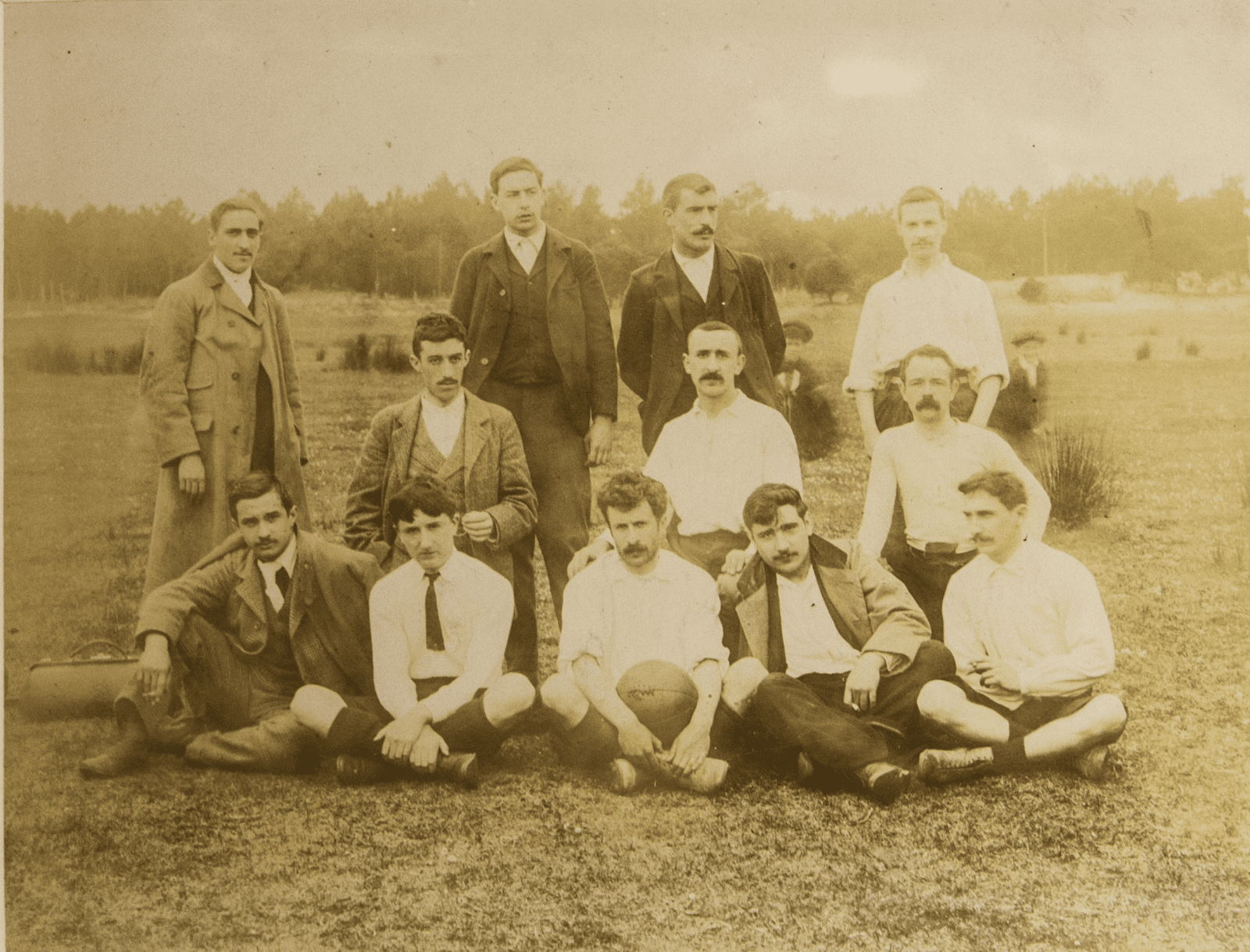
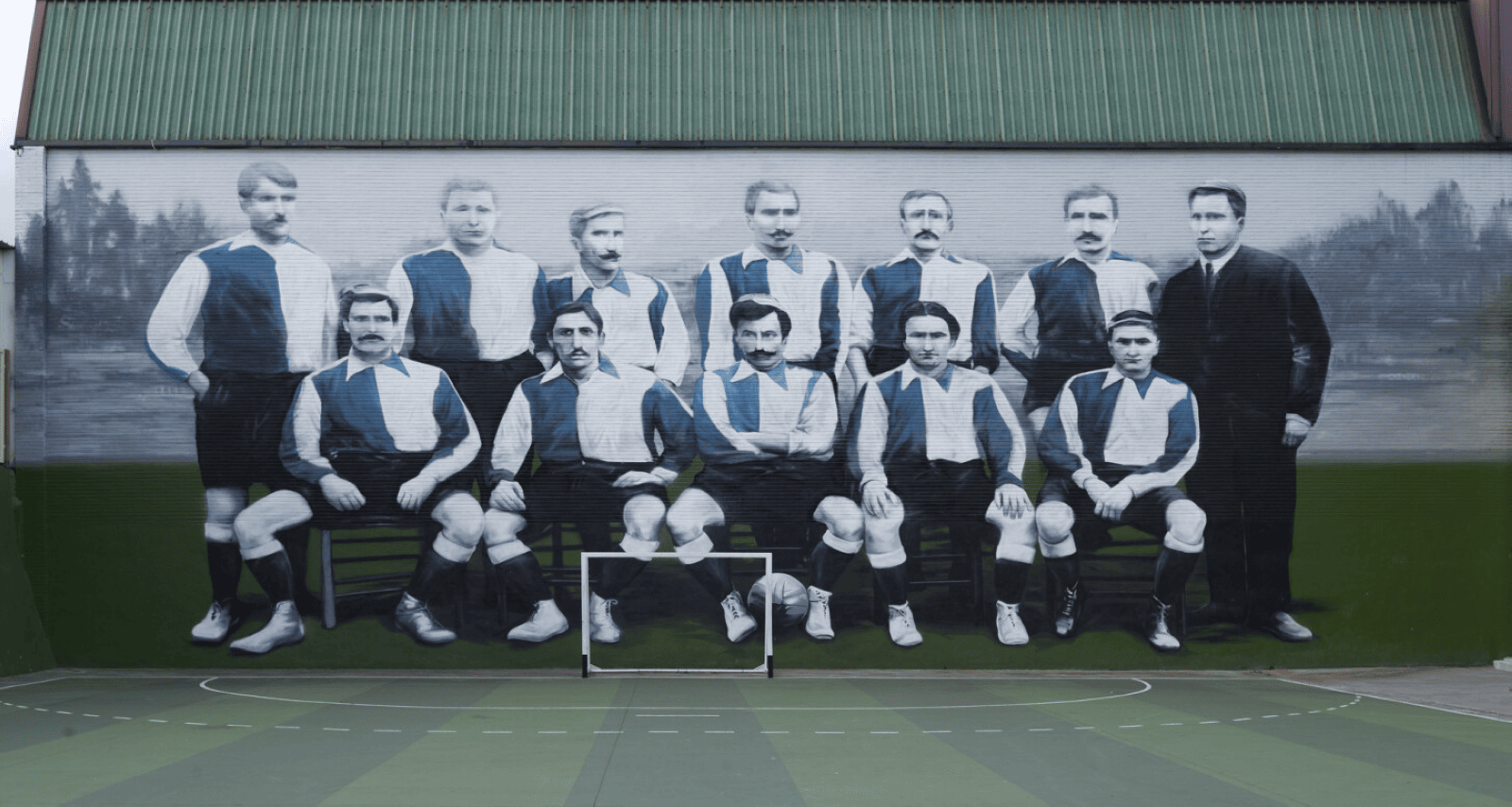
Did you know that Athletic Club’s first matches were played in Lamiako?
Football arrived in Bizkaia at the end of the 19th century, introduced by British expats and students from Bilbao who had studied in England.
Athletic Club was founded in 1898, officially established in 1901, and began playing its first matches in Lamiako.
Within a few years, this field proved too small for the large crowds that gathered to watch the matches, and had to relocate: in 1910 to Jolaseta (Getxo) and in 1913 to some land next to the San Mamés nursing home in Bilbao.

The “Golden Age”
In the mid-19th century, the land in Lamiako’s floodplain was acquired by a business group owned by the Máximo Aguirre family, who diverted the Gobela and
Udondo rivers and drained the marshlands.
Although originally dedicated to agricultural activities, the land later became home to a sports and leisure complex, which started attracting Bilbao’s economic elite in 1887.
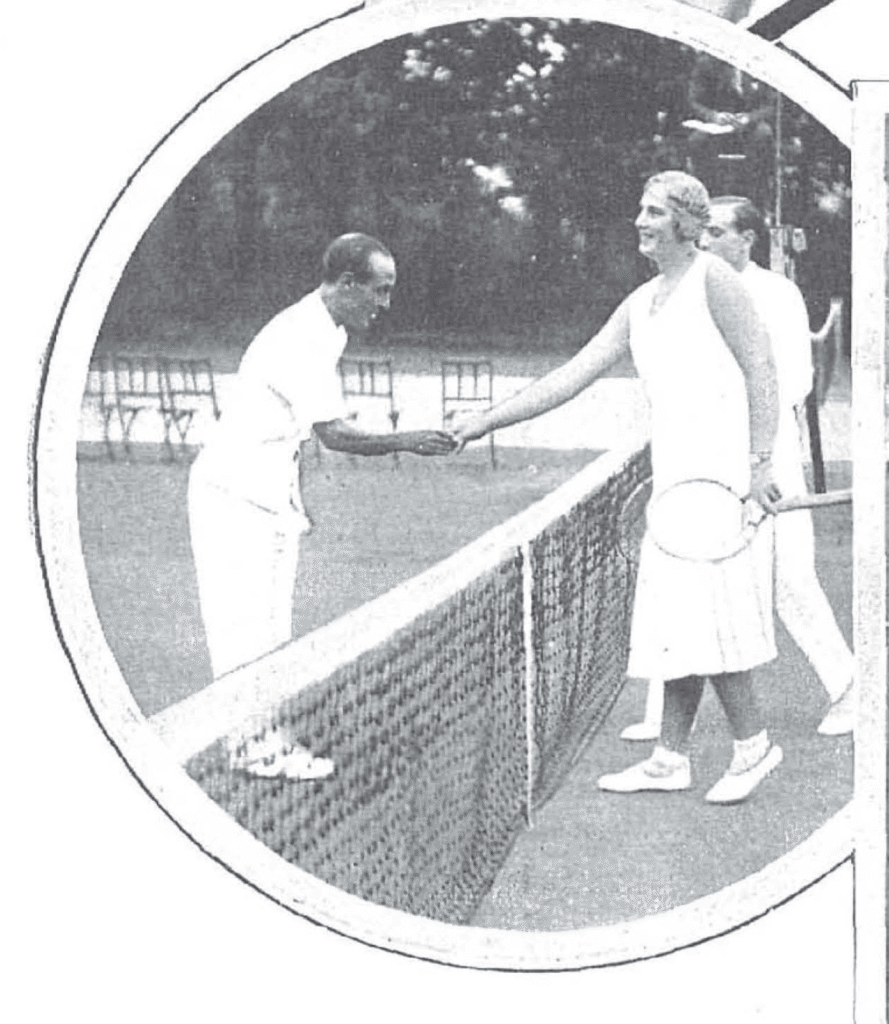
Alongside horse racing at the racecourse, these fields were also utilised for pigeon shooting, polo, and tennis until some young people identified them as an ideal venue for a sport that was gaining popularity at the time: “football”. And so, Athletic Club arrived at Lamiako…
Lamiako
Aerodrome
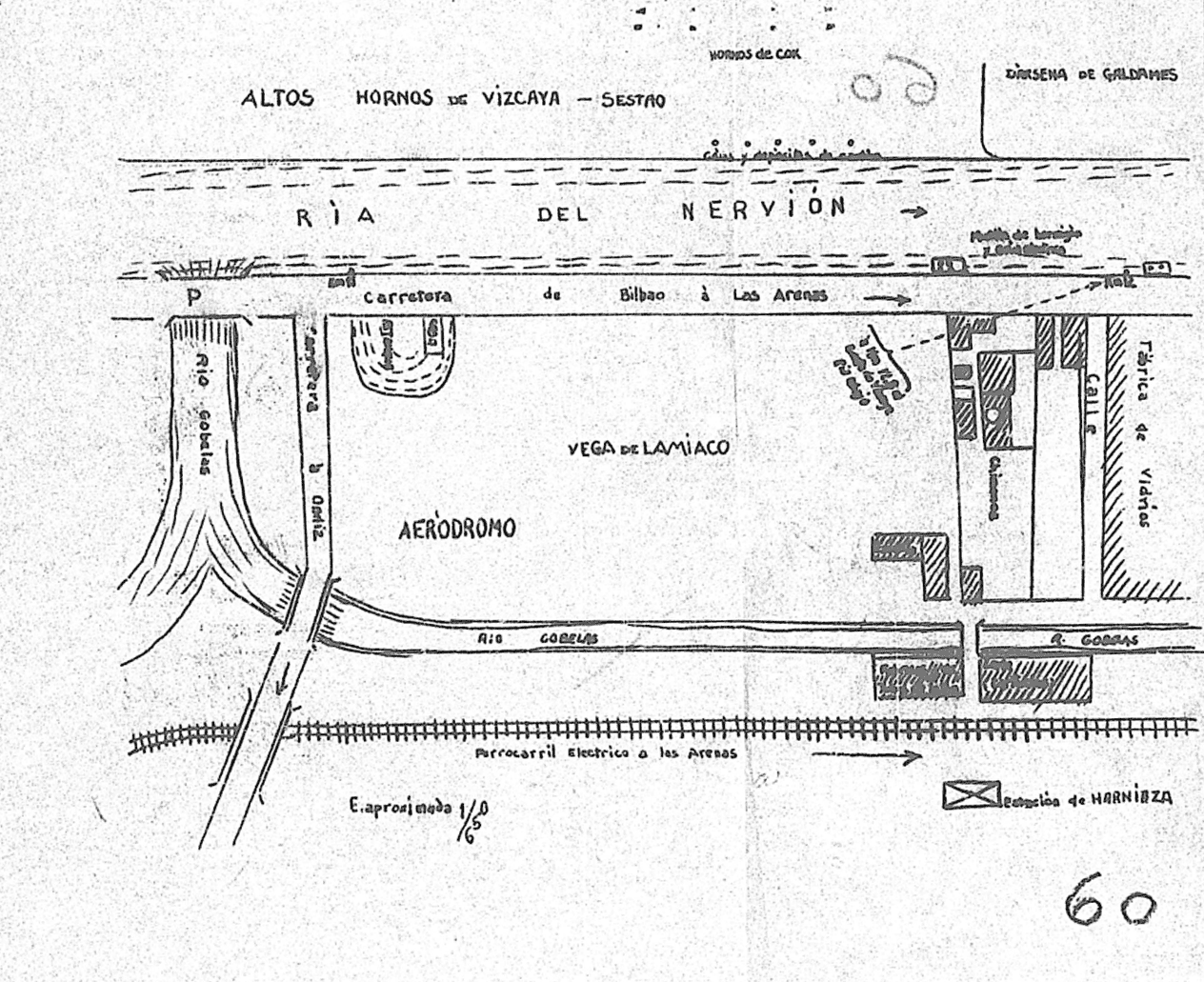
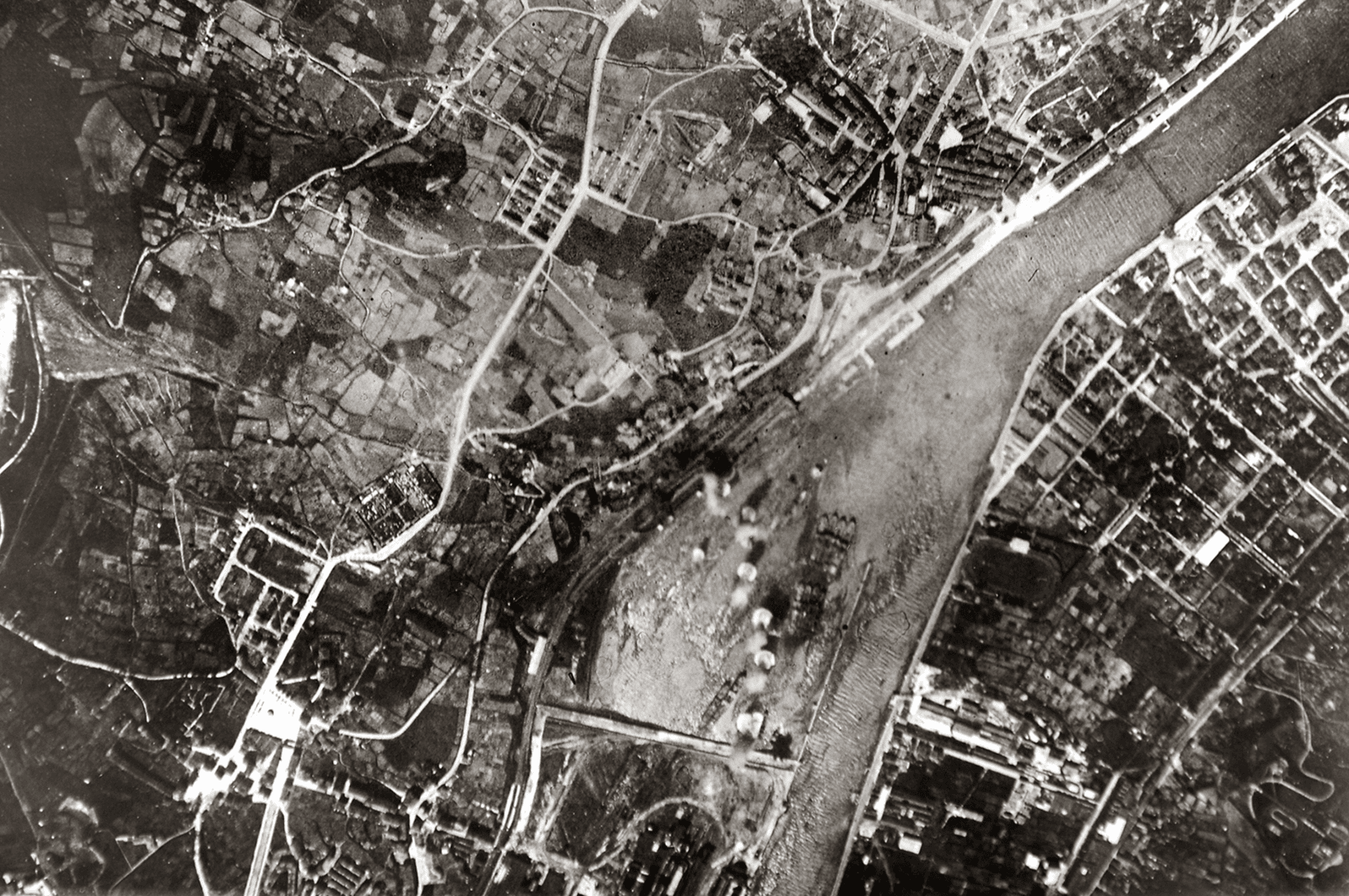
Did you know that there was an aerodrome and military air base situated in the former Lamiako’s floodplain during the Civil War?
At the start of the 20th century, Lamiako’s field was utilised for sports activities and occasionally served as an airstrip.
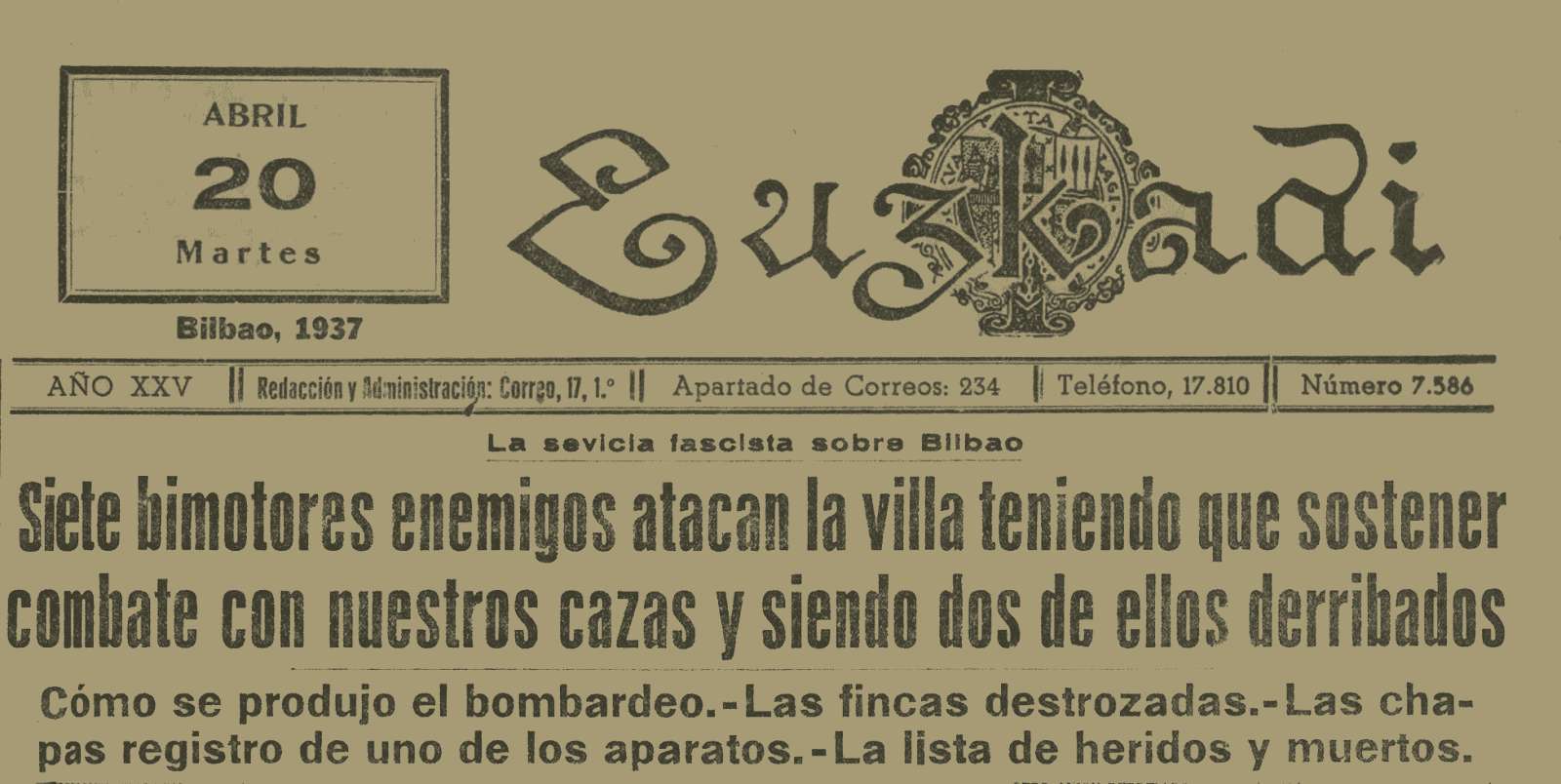
With the outbreak of the Civil War in July 1936, it was transformed into a military aerodrome for the Republic, making it a target for bombing by rebel forces.
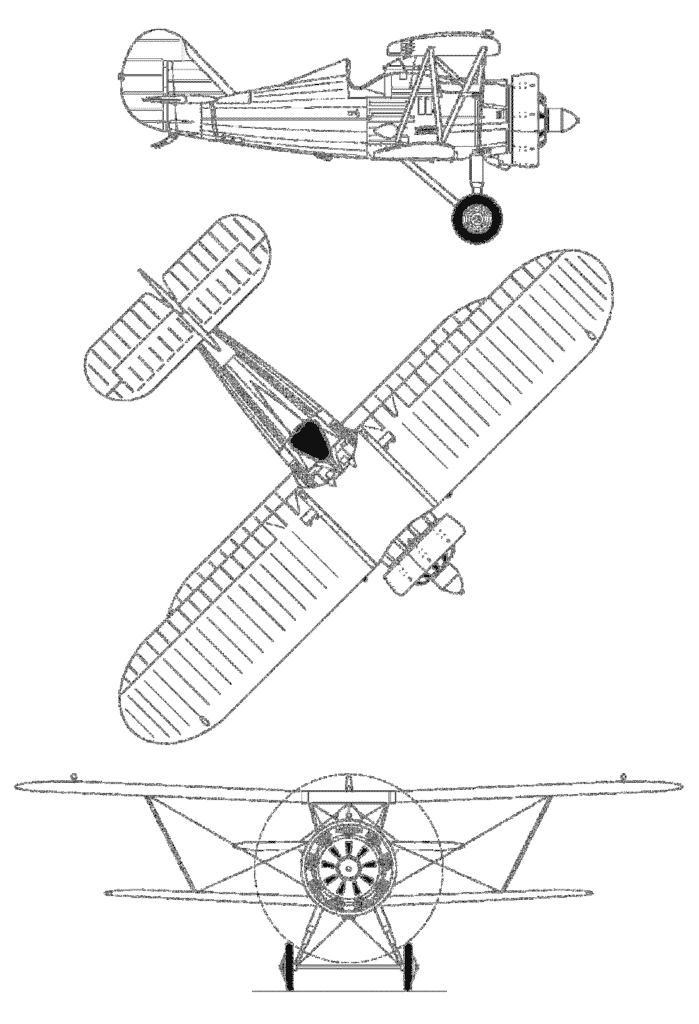
Until the arrival of several Polikarpov I-15 fighter planes (the popular “chatos”) in November, the scarcity of technical and human resources hindered efforts to defend against the rebel forces’ air superiority.
These “chatos”, manned by Russian and French pilots along with some local “aces”, secured several notable victories, even as the Republican forces gradually declined.
By June 1937, no aircraft remained in Bizkaia, and Bilbao was captured with absolutely no air defence.
Felipe del río
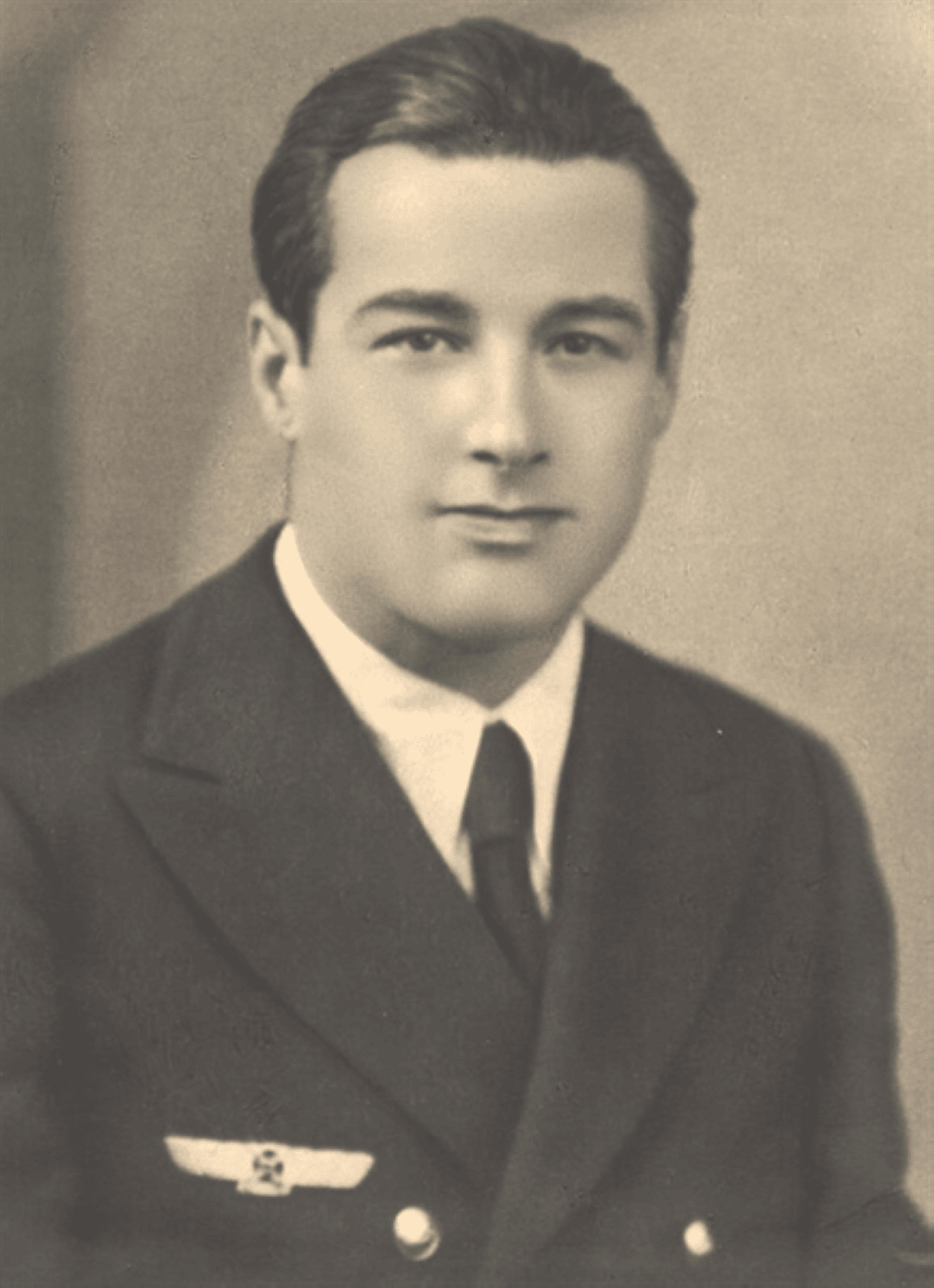
One of the most notable pilots assigned to Lamiako was Felipe del Río from Santander, who became renowned as the ‘Ace’ of Euzkadi aviation until his death during an air battle in April 1937.
Since 2011, a street in the Lamiako neighbourhood has borne his name.
“Mi aita tenía una sastrería en Lamiako, así que los pilotos venían para que les arreglara los paracaídas. Yo tenía apenas 6 años y estaba todo el día en brazos de los rusos, incluso a veces me llevaban al aeródromo y me montaban en los “chatos”. Pero también hubo muy malos momentos a causa de los bombardeos, ya que al vivir en la calle Earle las bombas nos caían muy cerca.”
Floreal Moja Caballero
Lamiako
Industrialisation
Did you know that Lamiako’s floodplain industrialisation took place over 100 years ago?
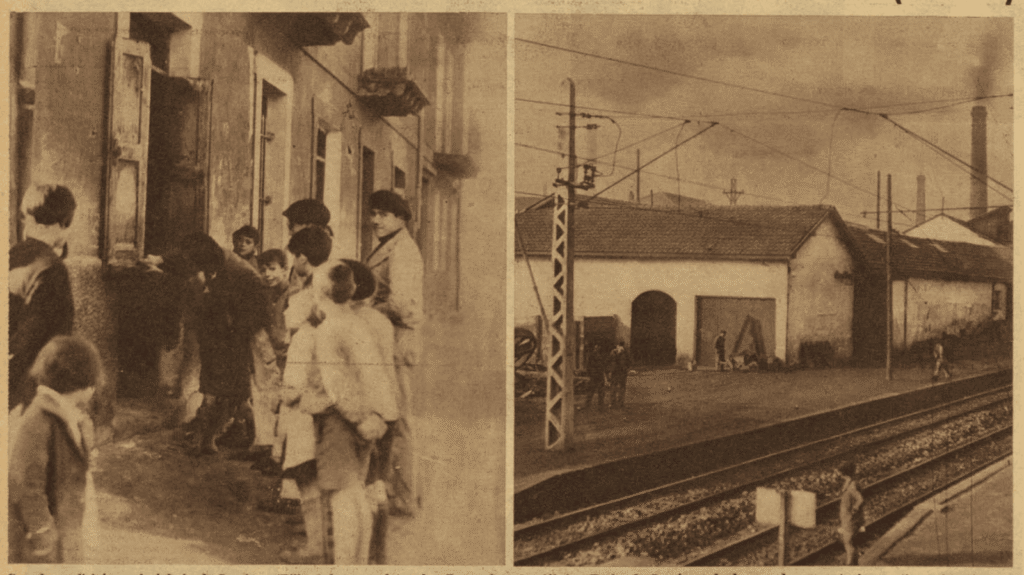
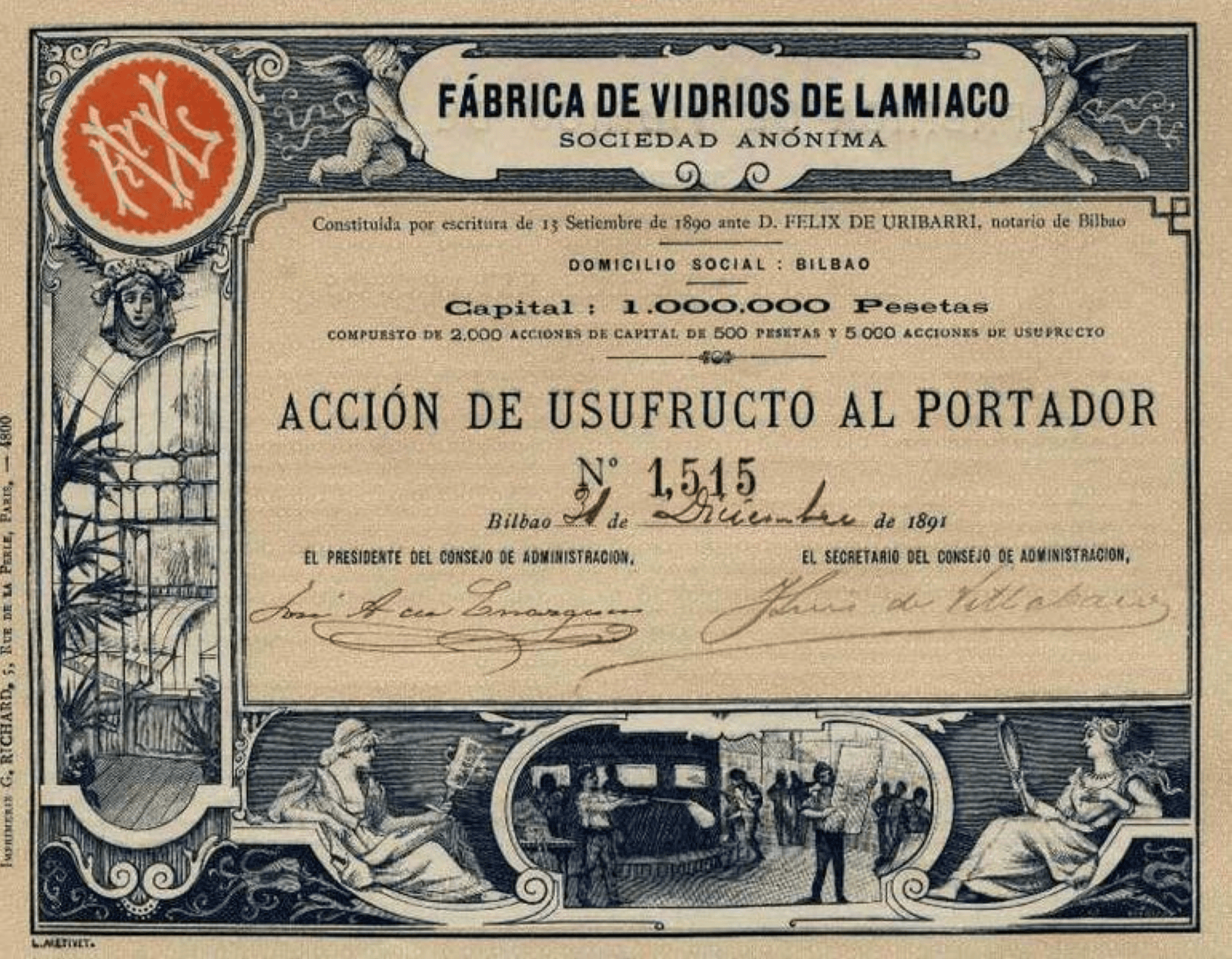
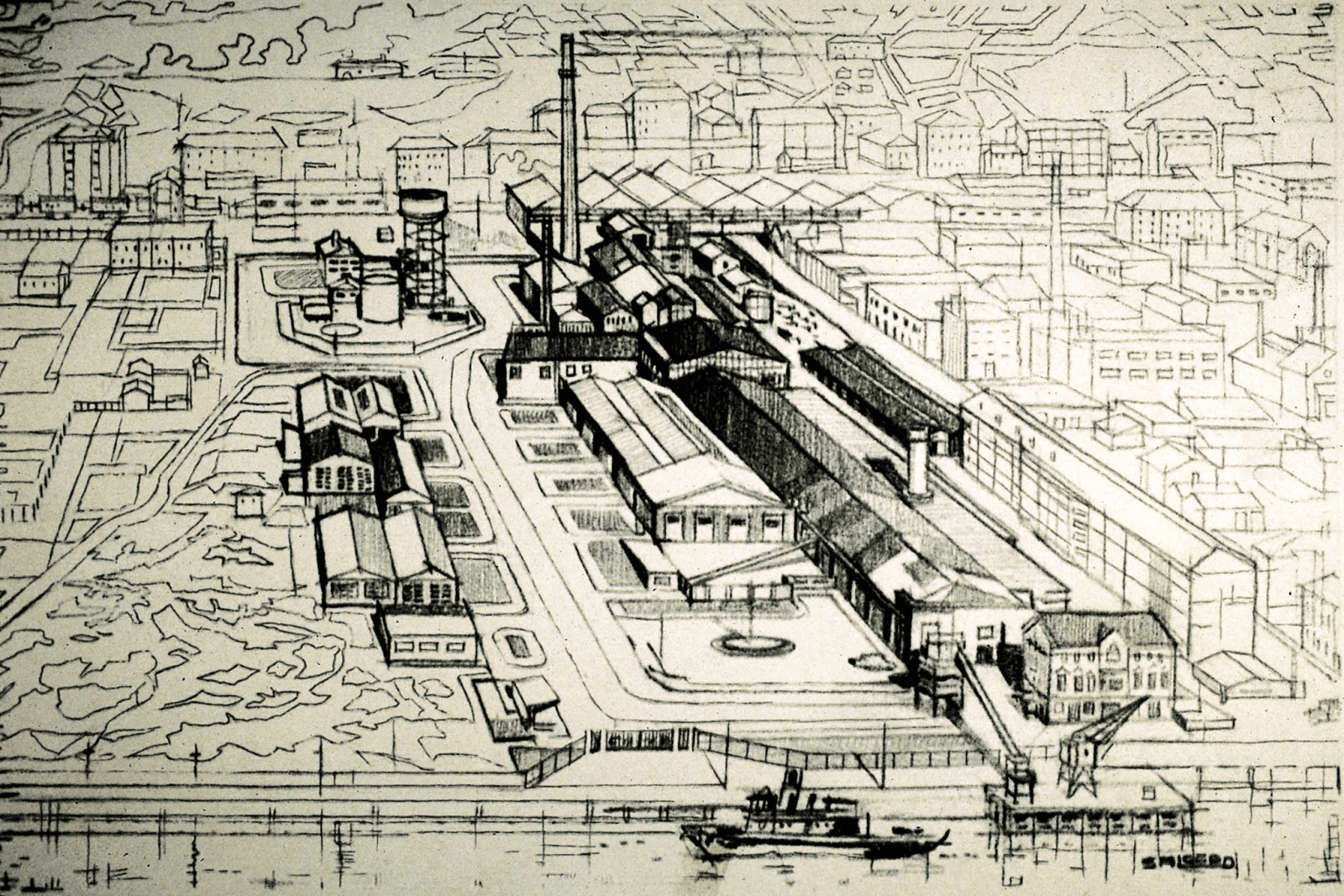
Lamiako’s industrialisation dates back to the late 19th century when the draining of the floodplain allowed for the establishment of factories such as “La Vidriera”, “La Camera Española”, la “Compañía de Alcoholes”, and “La Delta Española” (later “Earle”).
Some companies, such as “La Vidriera” (currently VICRILA), continue to thrive over 130 years later. Other companies joined in the 20th century, including FAES (medicines) in 1933 and UNILEVER, previously known as “Agra” (sauces and margarines) in 1949.

A strategic location
Lamiako’s strategic location, situated between the Bilbao-Las Arenas railway line and the sound, was ideal for loading and unloading products and raw materials using cranes and conveyor belts.
During the Civil War, several factories adapted their machinery for weapon production, which, combined with the proximity to the aerodrome, made this area a target for bombing by rebel aircraft.
Privacy Overview
| Cookie | Duration | Description |
|---|---|---|
| cookielawinfo-checkbox-analytics | 11 months | This cookie is set by GDPR Cookie Consent plugin. The cookie is used to store the user consent for the cookies in the category "Analytics". |
| cookielawinfo-checkbox-functional | 11 months | The cookie is set by GDPR cookie consent to record the user consent for the cookies in the category "Functional". |
| cookielawinfo-checkbox-necessary | 11 months | This cookie is set by GDPR Cookie Consent plugin. The cookies is used to store the user consent for the cookies in the category "Necessary". |
| cookielawinfo-checkbox-others | 11 months | This cookie is set by GDPR Cookie Consent plugin. The cookie is used to store the user consent for the cookies in the category "Other. |
| cookielawinfo-checkbox-performance | 11 months | This cookie is set by GDPR Cookie Consent plugin. The cookie is used to store the user consent for the cookies in the category "Performance". |
| viewed_cookie_policy | 11 months | The cookie is set by the GDPR Cookie Consent plugin and is used to store whether or not user has consented to the use of cookies. It does not store any personal data. |